Safe and Sound Schools will offer free asynchronous threat assessment training for K-12 leaders during Safe Schools Week this October.
- By Jesse Jacobs
- October 06, 2026

The systemwide plan addresses threat management, emergency response, facilities and post-incident communications.
- By Danielle Naidu
- October 05, 2026
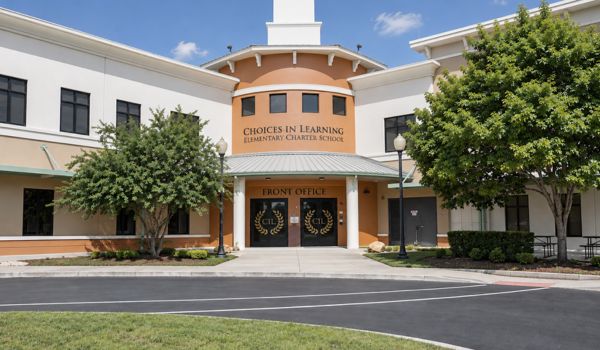
A Florida charter school tests wearable panic buttons and live video integration to accelerate incident response times.
- By Jesse Jacobs
- October 02, 2026

Higher education security association launches video and framework to help universities prepare for new UK terrorism legislation.
- By Jesse Jacobs
- October 02, 2026

A gunman killed two coworkers and injured a third at a Manassas equipment rental facility before dying of a self-inflicted gunshot.
- By Jesse Jacobs
- September 30, 2026

The health system is distributing 1,875 wearable duress devices to employees, extending a system first piloted in its emergency department.
- By Danielle Naidu
- September 29, 2026
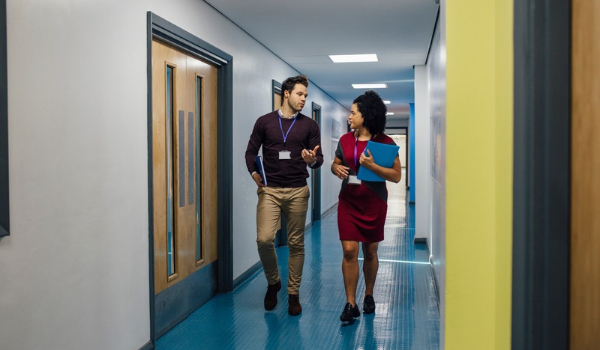
The district will provide CrisisAlert devices to approximately 3,000 employees working across its 24 campuses and locations.
- By Danielle Naidu
- September 28, 2026

Preventing high school football violence requires early multi-agency planning, strict parking lot monitoring, weapon screening and clear communication channels.
- By Patrick V. Fiel
- September 25, 2026

How the 'other AI' can help security, compliance and risk teams create safer, more welcoming campus environments
- By Dan Harding
- September 24, 2026

A practical framework outlines reporting, emergency communication and response planning for firearm sightings in schools and workplaces.
- By Stuart Frisch, Chris Usher, Brian Van Brunt, Ed.D.
- September 23, 2026