By Brian McIlravey
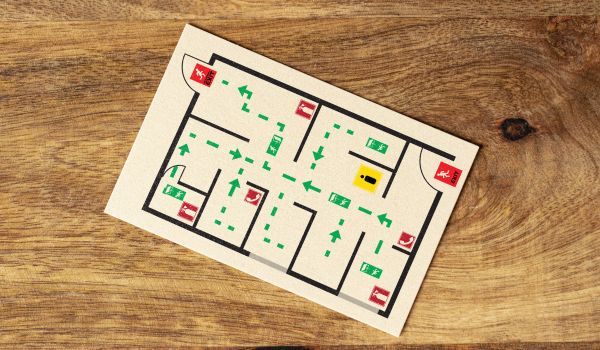
Dynamic digital indoor mapping platforms provide real-time situational awareness by replacing out-of-date paper plans with interactive building layouts accessible to all responders.
By Paul Timm
Alyssa's Law panic badges are most effective when integrated with physical door locks to automate rapid lockdown and minimize response intervals.
By Jill Renihan
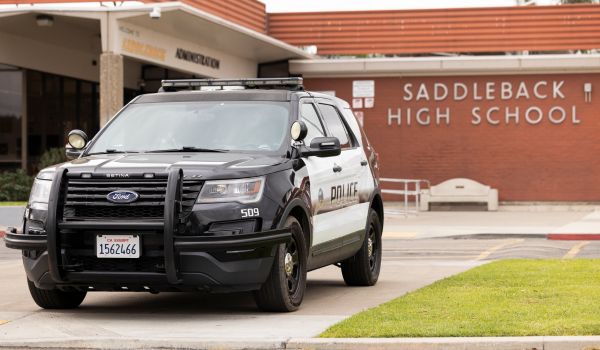
4 best practices before an emergency occurs help public schools streamline incident response and navigate the unknown with confidence.

By Sally Reitan
Advances in affordability, usability, privacy protection and edge intelligence are expanding the role of facial authentication far beyond traditional high-security environments.
By Scott Meyer
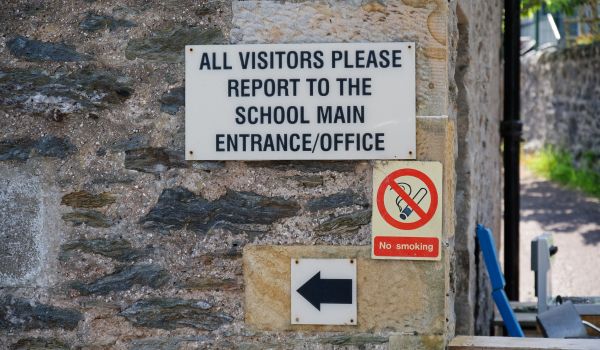
Access intelligence unifies visitor management, compliance, and emergency response into a single digital ecosystem that bridges physical and cyber security gaps.
By Adam Lowenstein
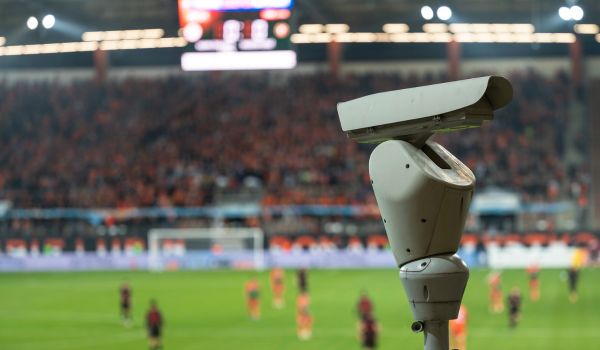
Edge AI cameras and generative AI natural language search turn stadium surveillance systems into proactive operational intelligence platforms.
By Stephen Homrighaus
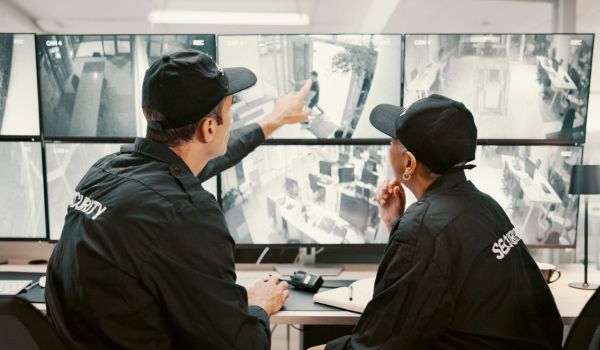
Real-time safety centers centralize physical security, social signals, and multi-departmental workflows to keep college campuses both safe and open.

By Kim Garcia
Modern wearable panic cards turn K-12 staff into mobile sentries, delivering instant location tracking and emergency alerts across campus.
By John Cottingham
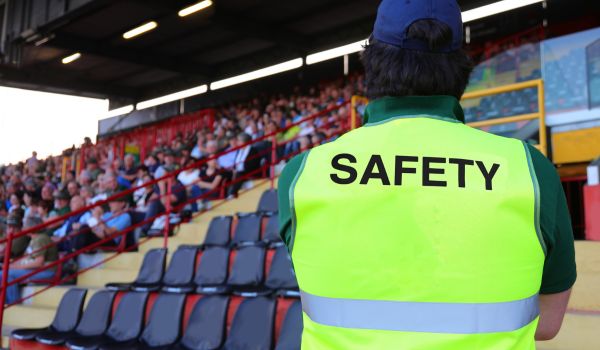
Unifying campus and venue security into a single operational platform eliminates fragmented workflows and accelerates incident response during major event surges.
By Raffaele Ceravolo
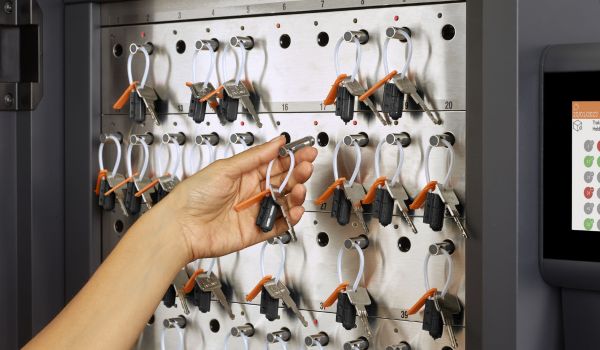
Traka’s automated key and asset management systems give campus law enforcement real-time visibility, automated audit trails, and strict control over critical equipment.

By Brian Van Brunt, Ed.D., Dr. Amy Murphy
Risk assessments are static snapshots, but threat mitigation plans provide the active, ongoing interventions needed to prevent real-world violence.

By Ken Cook
K-12 facilities teams should prioritize low-cost, high-impact audits of door latching, inside locking, and prop-removal procedures before school starts.