
Dynamic digital indoor mapping platforms provide real-time situational awareness by replacing out-of-date paper plans with interactive building layouts accessible to all responders.
- By Brian McIlravey
- September 18, 2026

Alyssa's Law panic badges are most effective when integrated with physical door locks to automate rapid lockdown and minimize response intervals.
- By Paul Timm
- September 18, 2026
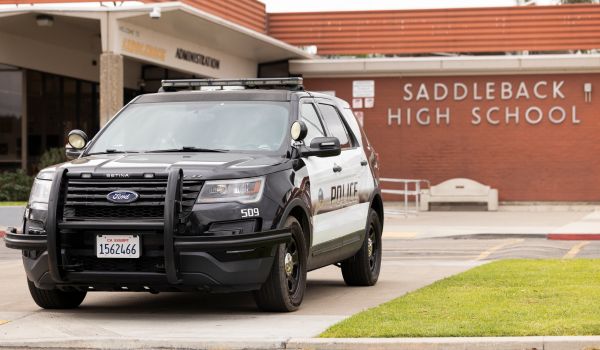
4 best practices before an emergency occurs help public schools streamline incident response and navigate the unknown with confidence.
- By Jill Renihan
- September 18, 2026

Modern wearable panic cards turn K-12 staff into mobile sentries, delivering instant location tracking and emergency alerts across campus.
- By Kim Garcia
- September 18, 2026

Unifying campus and venue security into a single operational platform eliminates fragmented workflows and accelerates incident response during major event surges.
- By John Cottingham
- September 18, 2026

Risk assessments are static snapshots, but threat mitigation plans provide the active, ongoing interventions needed to prevent real-world violence.
- By Brian Van Brunt, Ed.D., Dr. Amy Murphy
- September 18, 2026
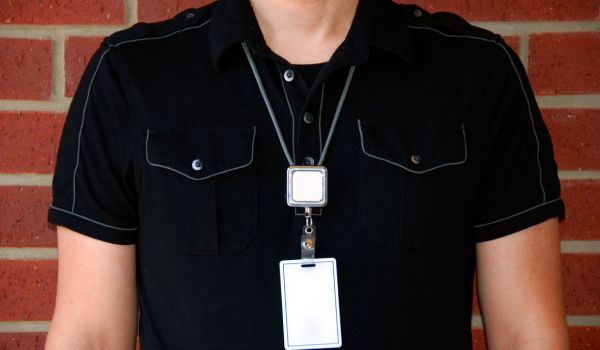
Wearable device lets staff activate three alarm conditions with location tracking and confirmation alerts.
- By Chelsey Arries
- September 16, 2026
A new integration connects security cameras directly to incident alerts to speed up emergency responses in school districts and facilities.
- By Jesse Jacobs
- September 15, 2026

Editorial staff reflect on 9/11's 25th anniversary, honoring the fallen while analyzing how the tragedy permanently transformed safety, security and emergency preparedness.
- By Ralph C. Jensen
- September 11, 2026

The annual safety initiative features a police headquarters opening, campus safety walks, resource fairs and a university summit.
- By Jesse Jacobs
- September 09, 2026