
The health system is distributing 1,875 wearable duress devices to employees, extending a system first piloted in its emergency department.
- By Danielle Naidu
- September 29, 2026
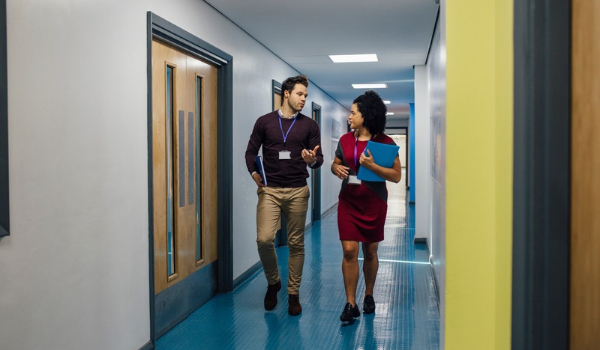
The district will provide CrisisAlert devices to approximately 3,000 employees working across its 24 campuses and locations.
- By Danielle Naidu
- September 28, 2026

Preventing high school football violence requires early multi-agency planning, strict parking lot monitoring, weapon screening and clear communication channels.
- By Patrick V. Fiel
- September 25, 2026

How the 'other AI' can help security, compliance and risk teams create safer, more welcoming campus environments
- By Dan Harding
- September 24, 2026

A practical framework outlines reporting, emergency communication and response planning for firearm sightings in schools and workplaces.
- By Stuart Frisch, Chris Usher, Brian Van Brunt, Ed.D.
- September 23, 2026
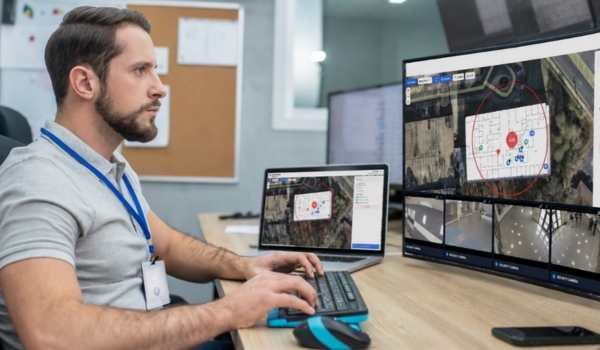
Integrated alerts, location data, video and digital maps can give school staff and responders faster context during emergencies.
- By Brent Cobb
- September 22, 2026

A combination of detection technology, staff screening protocols and law enforcement led to the safe recovery of a firearm.
- By Jesse Jacobs
- September 22, 2026
Anonymous tip lines and threat assessment training have prevented 20 planned school shootings across the country since 2018.
- By Jesse Jacobs
- September 21, 2026

Dynamic digital indoor mapping platforms provide real-time situational awareness by replacing out-of-date paper plans with interactive building layouts accessible to all responders.
- By Brian McIlravey
- September 18, 2026
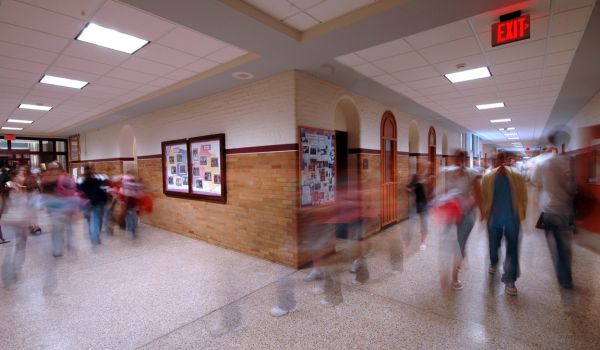
Alyssa's Law panic badges are most effective when integrated with physical door locks to automate rapid lockdown and minimize response intervals.
- By Paul Timm
- September 18, 2026