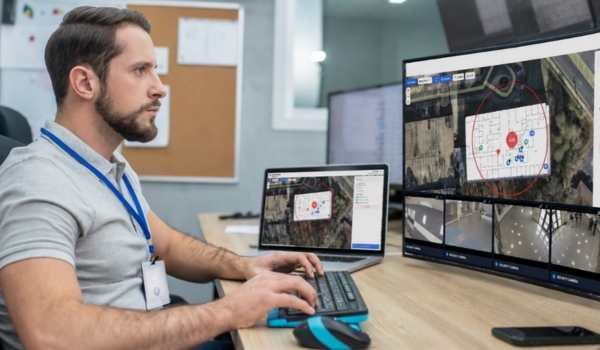
Integrated alerts, location data, video and digital maps can give school staff and responders faster context during emergencies.
- By Brent Cobb
- September 22, 2026

Integrated systems, overlapping capabilities and trained personnel help campuses maintain security when technology or infrastructure fails.
- By Jill Renihan
- September 21, 2026
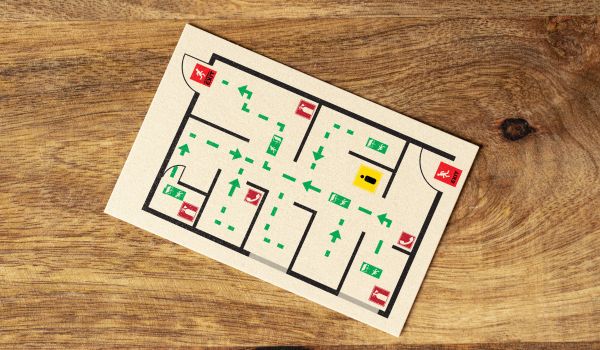
Dynamic digital indoor mapping platforms provide real-time situational awareness by replacing out-of-date paper plans with interactive building layouts accessible to all responders.
- By Brian McIlravey
- September 18, 2026
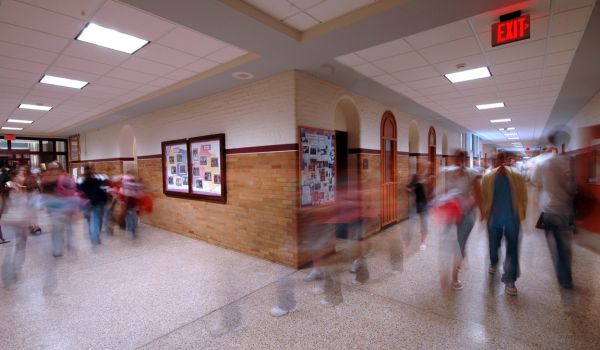
Alyssa's Law panic badges are most effective when integrated with physical door locks to automate rapid lockdown and minimize response intervals.
- By Paul Timm
- September 18, 2026
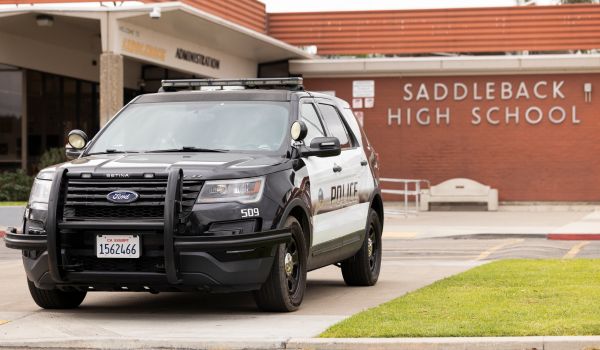
4 best practices before an emergency occurs help public schools streamline incident response and navigate the unknown with confidence.
- By Jill Renihan
- September 18, 2026

Advances in affordability, usability, privacy protection and edge intelligence are expanding the role of facial authentication far beyond traditional high-security environments.
- By Sally Reitan
- September 18, 2026
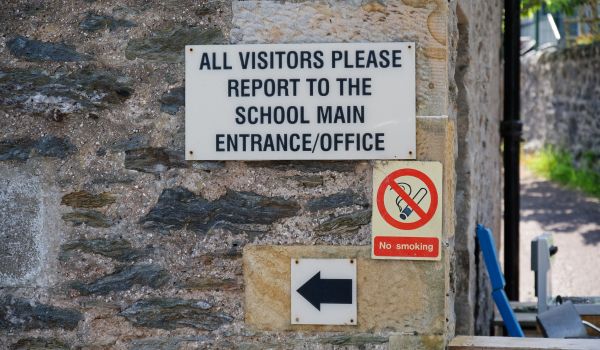
Access intelligence unifies visitor management, compliance, and emergency response into a single digital ecosystem that bridges physical and cyber security gaps.
- By Scott Meyer
- September 18, 2026

Edge AI cameras and generative AI natural language search turn stadium surveillance systems into proactive operational intelligence platforms.
- By Adam Lowenstein
- September 18, 2026

Real-time safety centers centralize physical security, social signals, and multi-departmental workflows to keep college campuses both safe and open.
- By Stephen Homrighaus
- September 18, 2026

Modern wearable panic cards turn K-12 staff into mobile sentries, delivering instant location tracking and emergency alerts across campus.
- By Kim Garcia
- September 18, 2026