
Preventing high school football violence requires early multi-agency planning, strict parking lot monitoring, weapon screening and clear communication channels.
- By Patrick V. Fiel
- September 25, 2026

How the 'other AI' can help security, compliance and risk teams create safer, more welcoming campus environments
- By Dan Harding
- September 24, 2026
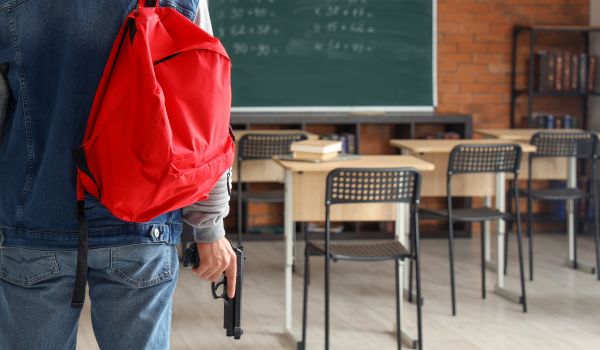
A practical framework outlines reporting, emergency communication and response planning for firearm sightings in schools and workplaces.
- By Stuart Frisch, Chris Usher, Brian Van Brunt, Ed.D.
- September 23, 2026
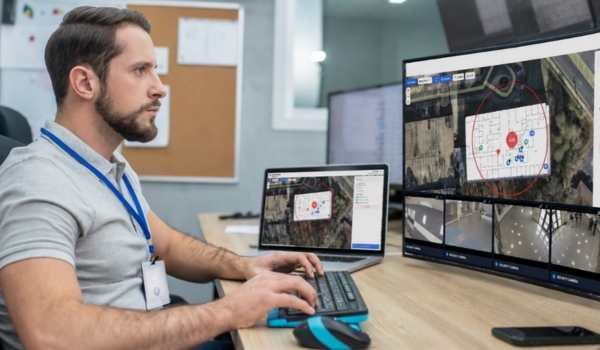
Integrated alerts, location data, video and digital maps can give school staff and responders faster context during emergencies.
- By Brent Cobb
- September 22, 2026

Integrated systems, overlapping capabilities and trained personnel help campuses maintain security when technology or infrastructure fails.
- By Jill Renihan
- September 21, 2026
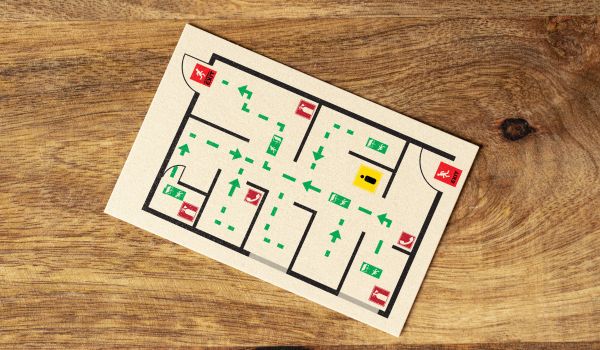
Dynamic digital indoor mapping platforms provide real-time situational awareness by replacing out-of-date paper plans with interactive building layouts accessible to all responders.
- By Brian McIlravey
- September 18, 2026
Alyssa's Law panic badges are most effective when integrated with physical door locks to automate rapid lockdown and minimize response intervals.
- By Paul Timm
- September 18, 2026
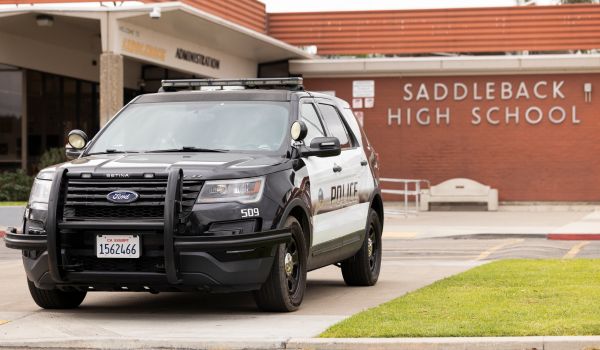
4 best practices before an emergency occurs help public schools streamline incident response and navigate the unknown with confidence.
- By Jill Renihan
- September 18, 2026

Advances in affordability, usability, privacy protection and edge intelligence are expanding the role of facial authentication far beyond traditional high-security environments.
- By Sally Reitan
- September 18, 2026
Access intelligence unifies visitor management, compliance, and emergency response into a single digital ecosystem that bridges physical and cyber security gaps.
- By Scott Meyer
- September 18, 2026

Edge AI cameras and generative AI natural language search turn stadium surveillance systems into proactive operational intelligence platforms.
- By Adam Lowenstein
- September 18, 2026

Real-time safety centers centralize physical security, social signals, and multi-departmental workflows to keep college campuses both safe and open.
- By Stephen Homrighaus
- September 18, 2026

Modern wearable panic cards turn K-12 staff into mobile sentries, delivering instant location tracking and emergency alerts across campus.
- By Kim Garcia
- September 18, 2026
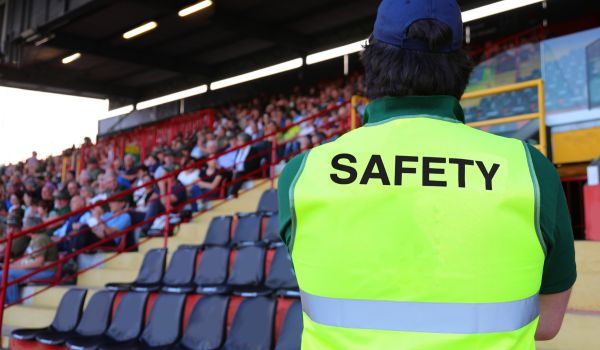
Unifying campus and venue security into a single operational platform eliminates fragmented workflows and accelerates incident response during major event surges.
- By John Cottingham
- September 18, 2026
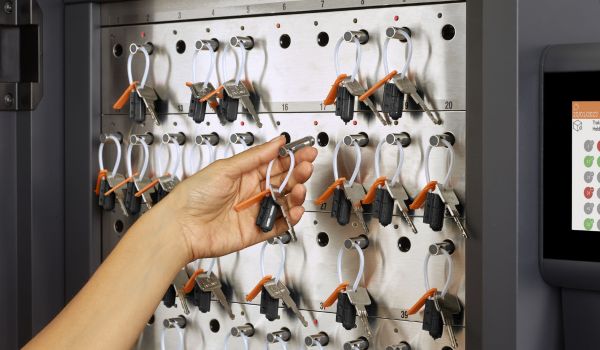
Traka’s automated key and asset management systems give campus law enforcement real-time visibility, automated audit trails, and strict control over critical equipment.
- By Raffaele Ceravolo
- September 18, 2026

Risk assessments are static snapshots, but threat mitigation plans provide the active, ongoing interventions needed to prevent real-world violence.
- By Brian Van Brunt, Ed.D., Dr. Amy Murphy
- September 18, 2026

K-12 facilities teams should prioritize low-cost, high-impact audits of door latching, inside locking, and prop-removal procedures before school starts.
- By Ken Cook
- September 18, 2026

New survey findings examine safety concerns alongside expectations for cameras, AI features and video retention.
- By Brady Edwards
- September 17, 2026

Universities need contextual data protection that secures research, student records and AI use without obstructing academic collaboration.
- By Zach Lewis, Yonatan Zohar
- September 15, 2026

Editorial staff reflect on 9/11's 25th anniversary, honoring the fallen while analyzing how the tragedy permanently transformed safety, security and emergency preparedness.
- By Ralph C. Jensen
- September 11, 2026