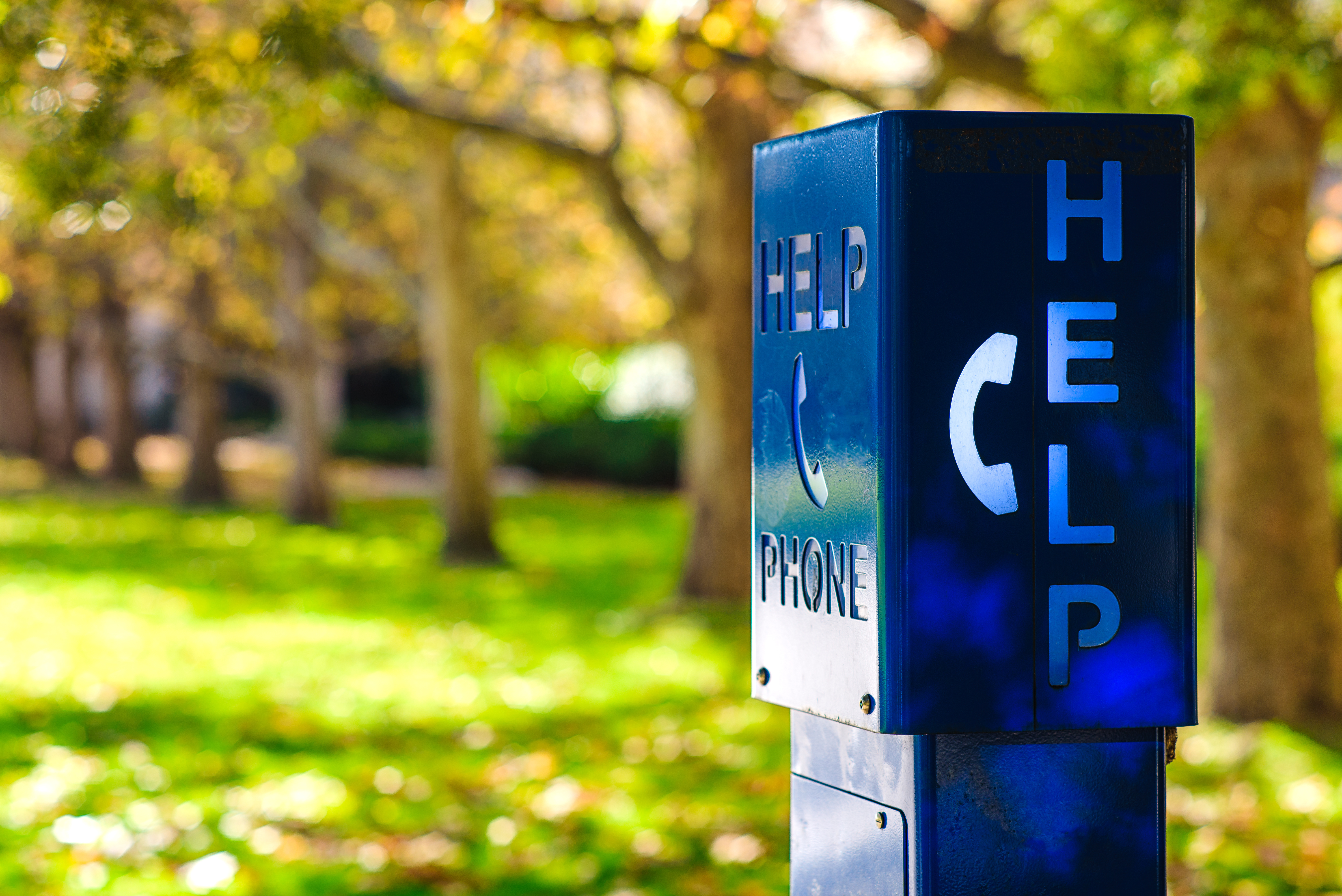
Colleges Retain Emergency Phones as UConn Removes Them
Blue-light phones remain part of campus safety systems at several universities, providing another way to contact emergency responders.
- By Jesse Jacobs
- October 08, 2026
Several universities plan to retain their blue-light emergency phones as the University of Connecticut phases out much of its system, according to reporting by The News-Times.
Campus officials described the phones as an additional way to obtain emergency assistance, including when someone cannot access or use a cellphone. Central Connecticut State University has expanded its network, while the University of Massachusetts Amherst and the University of Rhode Island reported no plans to remove their phones.
UConn has cited widespread cellphone use as a reason for retiring the devices. The university said its LiveSafe app allows users to reach its Emergency Communications Center through calls, texts or video. Text messages sent to 911 also reach the center, according to the publication. Emergency phones will remain in locations with weaker cellular coverage.
Central Connecticut State has about 144 Code Blue phones that connect users to campus dispatch, university spokeswoman Jodi Latina told the outlet. The university recently installed additional phones in the southern portion of campus.
Police Chief Sean Grant described a robbery case in which a student used an emergency phone after someone tried to take the student's belongings near a bus stop. That call helped police make an arrest, Grant told The News-Times.
Central Connecticut State also uses more than 100 Alertus beacons to distribute emergency notifications. Dispatchers work around the clock and coordinate responses from police, fire personnel and emergency medical crews, Latina said.
UMass Amherst has roughly 100 emergency phones and incorporates them into campus tours and orientation, university spokeswoman Emily Gest told the publication. The University of Rhode Island maintains about 114 phones across three campuses, communications director Dawn Bergantino said.
Other institutions retaining their systems include Trinity College, Connecticut State Community College, the University of Hartford and Eastern Connecticut State University, according to the report.
Connecticut State Community College spokeswoman Melissa Lamar said the phones offer a direct route to assistance for people facing medical emergencies or other urgent situations. The University of Hartford also uses LiveSafe alongside its emergency phones.
Eastern Connecticut State checks its phones every week, university spokesman Ryan Quigley told CT Insider. When officers find a problem, they arrange repairs with the university's information technology staff and an outside service provider.