How Incident Timing Should Shape School Security Planning
Transition periods create unique vulnerabilities that hardware alone cannot fix. Learn how to align security staffing and protocols with the school day rhythm.
- By Tom McDermott
- May 07, 2026
School safety conversations often focus on what happened and where it happened. Those are essential questions, but they are incomplete without a third: when did it happen?
Timing patterns in school incidents can reveal operational vulnerabilities that are easy to miss when leaders focus only on hardware, staffing counts or policy binders. For K-12 administrators, security directors and campus operations teams, understanding the rhythm of the school day can improve prevention efforts, staffing deployment and emergency readiness without creating unnecessary disruption for students and staff.
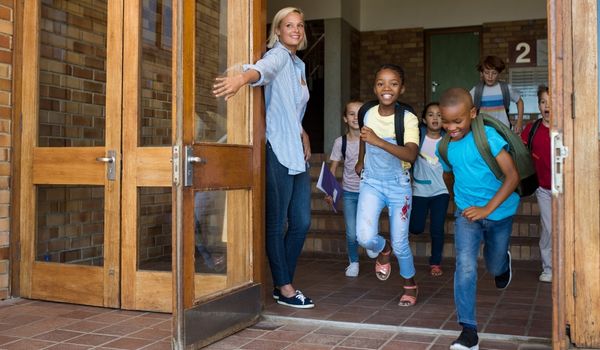
Recent school incident data points to a consistent reality: many events cluster during transition periods such as arrival, dismissal, lunch, passing periods and extracurricular gatherings. These are the moments when campuses are busiest, supervision is stretched and routines are less controlled. That insight should influence how schools allocate attention and resources.
The Risk in Transition Periods
Transitions create natural friction points. Large numbers of students move at once. Visitors may arrive. Exterior doors open more frequently. Staff are monitoring multiple priorities at the same time. In some schools, administrators are handling discipline issues while front office teams are managing parents, deliveries and attendance.
None of that means transitions are inherently unsafe. It means they require intentional planning.
A school that is well secured at 10:00 a.m. during classroom instruction may face a very different operating picture at 7:35 a.m. or even lunch time, when hundreds of students are entering through multiple access points. Likewise, dismissal can introduce congestion, transportation confusion and perimeter challenges that do not exist during the academic core of the day.
The lesson is simple: security planning should be dynamic, not static.
Move Beyond All-Day Uniform Security
Many campuses rely on the same posture from first bell to last bell. The same staffing locations, the same unlocked door schedules and the same supervision assignments remain in place regardless of changing conditions.
A stronger model adjusts to predictable peaks in activity.
This can include:
- Concentrating personnel at primary entrances during arrival
- Increasing adult visibility in hallways during passing periods
- Rechecking perimeter doors before and after lunch periods
- Assigning supervisors to parking lots and pickup zones before dismissal
- Reviewing event-specific plans for games, performances and assemblies
- Shifting communication channels during high-volume moments
Another strategy some schools are using is randomized screening in different parts of campus throughout the day. Instead of relying only on fixed entry points, security teams can conduct unannounced checks near classrooms, common areas or activity spaces using lightweight, quickly deployable screening equipment that can be repositioned in minutes.
When paired with clearly communicated policies and trained staff, these spot checks can deter prohibited items, support searches when warranted and reinforce that security measures are active throughout the campus, not limited to the front door.
These approaches do not always require more personnel. Often, they require better timing.
Use Data You Already Have
Schools do not need a sophisticated intelligence center to identify patterns. Many already possess useful indicators across multiple systems:
- Discipline referrals by time of day
- Visitor logs
- Door-prop alarms
- Anonymous tip reports
- Nurse visits
- Traffic bottlenecks
- Attendance office spikes
- Incident reports tied to specific locations and times
When reviewed together, these data points can help leaders spot recurring pressure points. For example, repeated conflicts near a cafeteria entrance at one lunch period may call for schedule adjustments or increased adult presence. Frequent door alarms after athletics may suggest the need for revised access procedures.
The goal is not surveillance for its own sake. The goal is practical improvement.
Layer Security Without Disrupting School Culture
Timing-based planning also helps schools avoid overcorrecting with blunt measures that add friction all day long. A campus may not need intensive screening or heightened staffing at every entrance for eight continuous hours. It may need targeted, visible measures during the 30 minutes when risk and volume are highest.
That distinction matters.
Students and families notice whether safety measures feel thoughtful or excessive. Security that is predictable, respectful and efficient is more likely to earn cooperation. Measures that create unnecessary delays or confusion can erode trust.
Campus leaders should ask whether each step supports both safety and the school experience. If the answer is no, it may be time to redesign the process.
Don’t Forget After-Hours Risk
Many campuses are busiest after the dismissal bell. Athletics, theater productions, board meetings, tutoring programs and community events can draw large crowds with different access needs than a normal school day.
Yet after-hours security planning is often less mature than daytime planning.
Questions worth asking include:
- Which entrances remain open and why?
- Who is monitoring visitors?
- How are restricted areas separated from event spaces?
- Is communication clear if an incident occurs?
- Are staff roles defined before doors open?
- Does traffic flow create congestion outside the venue?
A gymnasium event with 1,000 attendees may require a different posture than a typical Tuesday class day.
Build a Schedule-Based Safety Review
One useful exercise for any district is to map security operations against the school clock. Walk through a typical day in 15- or 30-minute increments and identify where conditions change.
Look for moments when:
- Crowds surge
- Supervision thins
- Doors open more often
- Visitors increase
- Students move between zones
- Transportation activity peaks
- After-hours users enter campus
This kind of review often surfaces gaps that annual audits miss.
Safety Planning Should Follow Reality
The strongest school safety strategies reflect how campuses actually function. Schools are not static environments. They pulse with movement, noise, routines and transitions. Security plans should match that reality.
When leaders incorporate timing data into staffing, access control, communications and supervision, they move from reactive measures to smarter prevention. This does not require turning schools into fortresses. It requires understanding that when something happens can be just as important as where.