Making Safety Part of the Customer Experience
Strategic staffing, property-wide planning and technology can help retailers strengthen safety while supporting a welcoming shopping experience.
- By Ben Olade
- November 24, 2026
As retailers prepare for the busiest shopping season of the year, security naturally becomes a greater focus. More customers, longer hours and increased activity can heighten opportunities for theft, aggressive behavior and other incidents that can impact employees and shopper safety.
Effective retail security is about more than responding to problems when they occur. Increasingly, retailers and shopping centers are recognizing that a visible, strategically positioned security presence can play an important role in the overall customer experience.
That shift requires retailers to think differently about how security personnel contribute to the overall appeal of the property.
The Evolving Role of Security
A security professional may spend much of the shift helping customers find a store, answering questions or assisting someone who needs help. Those interactions may have nothing to do with a security incident, but they can have everything to do with how a customer experiences a retail outlet or shopping center.
In many environments, customer service and security go together. A visible presence can make customers feel more comfortable and welcome while also providing an important deterrent and additional eyes and ears throughout the property.
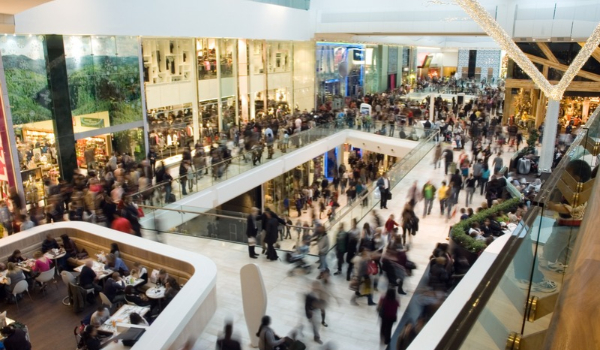
This is particularly relevant in shopping centers and malls, where security personnel may interact with customers across a large, dynamic environment rather than within a single store.
Beyond the Storefront
One of the challenges retailers’ faces is determining where security resources can have the greatest impact.
A store-level approach may focus primarily on entrances and exits. But shopping centers have a broader operating environment and a more complex threat landscape. Parking areas, common spaces, neighboring businesses and multiple access points must all be considered as part of a comprehensive plan. Security strategies should account for the entire customer experience, not simply what happens after someone enters a store.
That means considering where personnel are positioned, how they patrol the property and how quickly they can identify and respond to unusual activity.
A visible presence at key entrances, for example, can provide an opportunity to identify potential issues earlier than a patrol that encounters an individual only after they have moved deeper into a location.
Matching the Strategy to the Environment
There is no one-size-fits-all approach to retail security. The right strategy depends on the type of property, its layout, operating hours, customer traffic, surrounding environment and specific risks.
Retailers and property owners should conduct regular risk assessments to ensure their security strategy aligns with how the property is being used, where people congregate, and the risks most likely to occur.
The goal is not necessarily to increase security personnel throughout a property, but to deploy resources strategically where they can provide the greatest combination of visibility, customer service, deterrence and response capabilities.
Use Technology to Extend, Not Replace, Trained Guards
Technology can also help retailers make better use of their security resources. Video analytics, access-control systems, incident-management platforms and AI-enabled tools can help security teams identify unusual activity, recognize patterns and direct attention to areas that may require a closer look. When used strategically, these technologies can give trained guards better information and help them move from simply reacting to incidents to proactive planning and deterrence.
Technology works best when it keeps a “human in the loop.” A camera can identify activity, but a trained security professional can assess the situation, interact with a customer, help or determine when an issue requires intervention. The combination of technology and trained professionals gives retailers greater visibility while preserving the customer-focused approach that defines modern retail security.
Gearing Up for the Holiday Rush
The holiday shopping season is an especially good time for retailers to revisit their security action plan. Increased traffic can change the way a property operates and a security plan that works during a typical week may not be effective during peak periods.
Retailers should consider conducting a pre-season assessment of their properties, identifying high-traffic areas and reviewing how security staff will communicate and respond if an incident occurs. Annual budget discussions should routinely account for increased visibility and investments in security tools during the holiday season. Planning early helps retailers ensure they have the staff and resources in place during peak holiday demand.
Just as importantly, security teams should be viewed as part of the broader retail operation. When security professionals understand the property, its customers and its employees, they can be more effective.
Partners in Protection
The strongest retail security strategies recognize that safety and service are not competing priorities. When approached strategically, security can help create an environment where customers feel comfortable, employees feel supported and retailers can focus on what they do best: serving their customers. Retail centers and stores that enlist experienced, innovative security providers can deliver a world-class guest experience throughout the year.
This article originally appeared in the November/December 2026 issue of Campus Security Today.