Ontario Schools Test New Access Control Measures
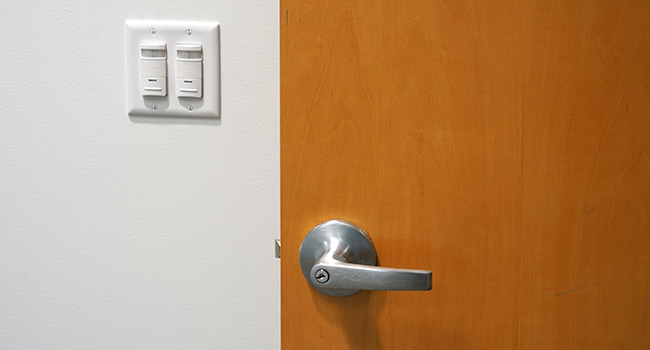
Westgate Collegiate and Vocational Institute is now using a key fob entry system for interior doors. The schools already required a swipe card with the user’s photo and job title for access to exterior doors.
- By Jessica Davis
- March 04, 2019
The Lakehead District Public School Board is running trials of new security measures at two Thunder Bay schools this year.
Westgate Collegiate and Vocational Institute is now using a key fob entry system for interior doors. The schools already required a swipe card with the user’s photo and job title for access to exterior doors.
"That pilot went well, so we decided to do an interior door pilot at a secondary school, and we installed the same type of card readers to control access in and out of the classrooms," said Jim Desaulniers, Manager of Property Services.
All teachers and instructional staff at Westgate are required to use the cards. Students are able to exit classrooms, but someone must open the door to let them inside.
"It's still in the pilot process, but so far the feedback is positive. Teachers control the access to the classroom, and that gives them a sense of control," Desaulniers said.
Desaulniers said the board’s Safe Schools Committee will review the policy and procedures to see if they need to be adjusted before the security system is expanded to the district’s other high schools.
The board is piloting a new camera entry system at the main entrance of Sherbrooke Public School. The system is called Eye Doors.
According to Desaulniers, many of the board’s schools have “poor line-of-sight access,” meaning staff can’t see who’s at the front door, and this system will help with that.
"We piloted Sherbrooke because it doesn't have a very good sightline. The system is basically an audio/visual camera in the vestibule,” Desaulniers said. “When someone comes in, it rings at the secretary's desk, or it can go to the principal or vice-principal smart phone so they can let someone into the school if they're not in the office."
He said the old system required staff to be tied to their desks in order to monitor access to the campus. The new technology allows them to “know exactly who is in their school at all times,” he said.
The board plans to expand the Eye Doors system to other campuses where office staff don’t have a clear sightline to the front doors.
The board is also in the process of changing the keys to all door locks to increase school security.
"We're going to re-key the whole system so that we're starting fresh and we have a record of everybody that has keys," Desaulniers said.
About the Author
Jessica Davis is the Associate Content Editor for 1105 Media.