Ohio University to Spend $1 Million on Security Following Sexual Assaults

Ohio University to Spend $1 Million on Security Following Sexual Assaults

After more than a dozen sexual assaults on campus, Ohio University is looking to increase security on campus.

Now is the time for university and college campuses to begin ramping up their security to protect students from sexual assaults on campus. For instance, Ohio University in Athens says it will spend about $1 million to upgrade to high tech security solutions.

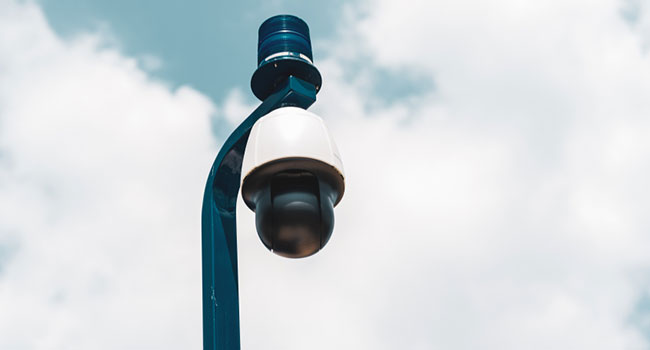
More than a dozen sexual assaults have been reported to OU or Athens police since the beginning of the Fall 2018 semester. The university says the dollars will go towards 400 new, high definition cameras that will, hopefully, make solving crimes easier.

"Housing Residence Life is funding the full cost of this project through student housing fees," the OU Executive Director of the Division of Student Affairs Pete Trentacoste told a local news station. "The total costs right now is in the neighborhood of $800,000, so just shy of a million, and operating costs that are $80,000."

Ohio University campus police say they have had four instances of sexual assaults reported to them, including two rapes. The Athena Police Department says they have taken reports on 10 cases. 

"It's not just a police problem, it's a community problem," said OU Police Lieutenant Tim Ryan. "Yes we can do what we can do in patrolling but we need people to be aware and we're really trying to focus on education to people to know what consent is."

OU Police believe the new cameras will be a big help. The cameras will be capturing footage all over the campus 24/7 and will give police a way to identify suspects and gather evidence against them. In addition to the new cameras, the campus is looking to add more lighting to certain parts of campus that become dark at night.

For now, there is no official timeline for the rollout of the cameras, but the university says they have already started the process.

About the Author

Sydny Shepard is the Executive Editor of Campus Security & Life Safety.

Featured

  • Electrified Latch Retraction Locks Key Benefits for Retrofits

    Building owners and facility managers increasingly rely on electrified hardware to enhance security while meeting accessibility standards. Among these technologies, electrified or motorized latch retraction locks are especially effective for retrofit projects where existing door and frame conditions complicate upgrades. Latch retraction capable locks combine security, accessibility and code compliance benefits, making them ideal for retrofitting fire-rated and non-rated openings in schools, healthcare facilities, commercial buildings and more. Read Now

  • How Cloud Security Solutions Are Transforming Campus Safety

    Campus administrators today face a challenging mandate: deliver stronger security across their facilities while working within tighter budget constraints. From school districts focused on student safety to hospitals protecting patients and staff, the question remains the same: how do you build security infrastructure that evolves with your needs without requiring massive capital investments? Read Now

  • Rethinking Campus Security From the Inside

    For decades, campus security strategies focused on keeping threats outside school walls. But since the tragedy at Columbine High School, data has shown that many attacks begin inside the building, often in classrooms and corridors. This shift has prompted schools to rethink security from the inside and place greater emphasis on interior elements such as classroom doors. This shift is evidenced by a new generation of classroom door systems engineered to delay inside intruders and an ASTM standard that raises the bar on how these systems must be designed to defend against attack. Read Now

  • AI in Security: Advancing Campus Safety and Considerations for Implementing

    Artificial intelligence (AI) continues to capture attention across every sector, and the physical security industry is no exception. Once seen as experimental, AI-enabled analytics now underpin how organizations monitor environments, detect threats, and make decisions. What was once futuristic is now a practical necessity for safety professionals managing growing volumes of data, tighter resources, and increasing expectations for faster, more accurate responses. Read Now